



On 27 August 2026, the centenary World Congress of the Comité International des Sciences Historiques (CISH) in Leipzig hosted the panel “Childbearing: Fertility, Contraception, Everyday Life in East-Central Europe from the Late 19th to the mid-20th Century.”
Bringing together case studies from Hungary, Slovakia and the Romanian lands, the panel explored how reproductive behaviour was shaped not only by state policies and medical institutions, but also by families, churches, local communities and informal social norms.
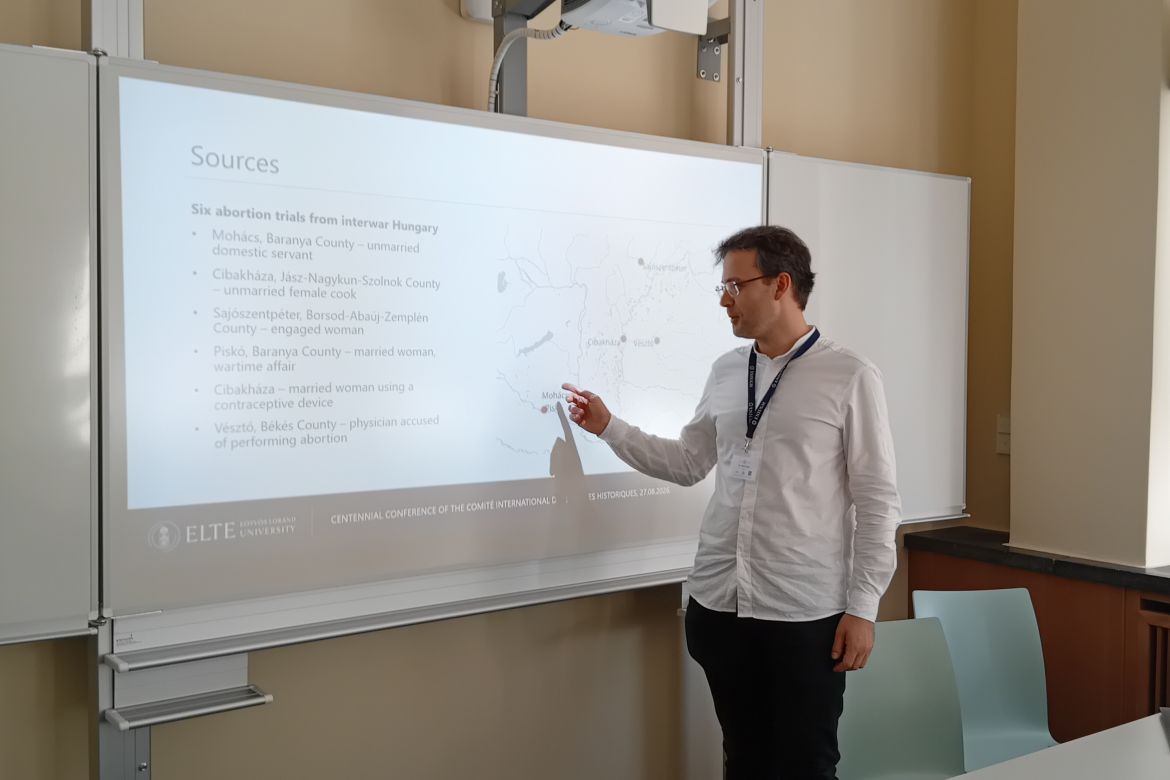
Gábor Koloh, Research Fellow at the Institute of History, ELTE Research Centre for the Humanities, presented Pronatalism and Contraception in Interwar Hungary: The Moral Economy of Childbearing in Six Abortion Trials. Based on six abortion trials from interwar Hungary, the paper examined how unwanted pregnancies were managed within local communities. It focused on the role of shame, reputation and informal social networks, as well as on the circulation of knowledge relating to contraception and abortion. By treating criminal proceedings as “crisis archives,” the paper highlighted how exceptional moments of conflict can reveal otherwise largely hidden aspects of everyday reproductive practices.
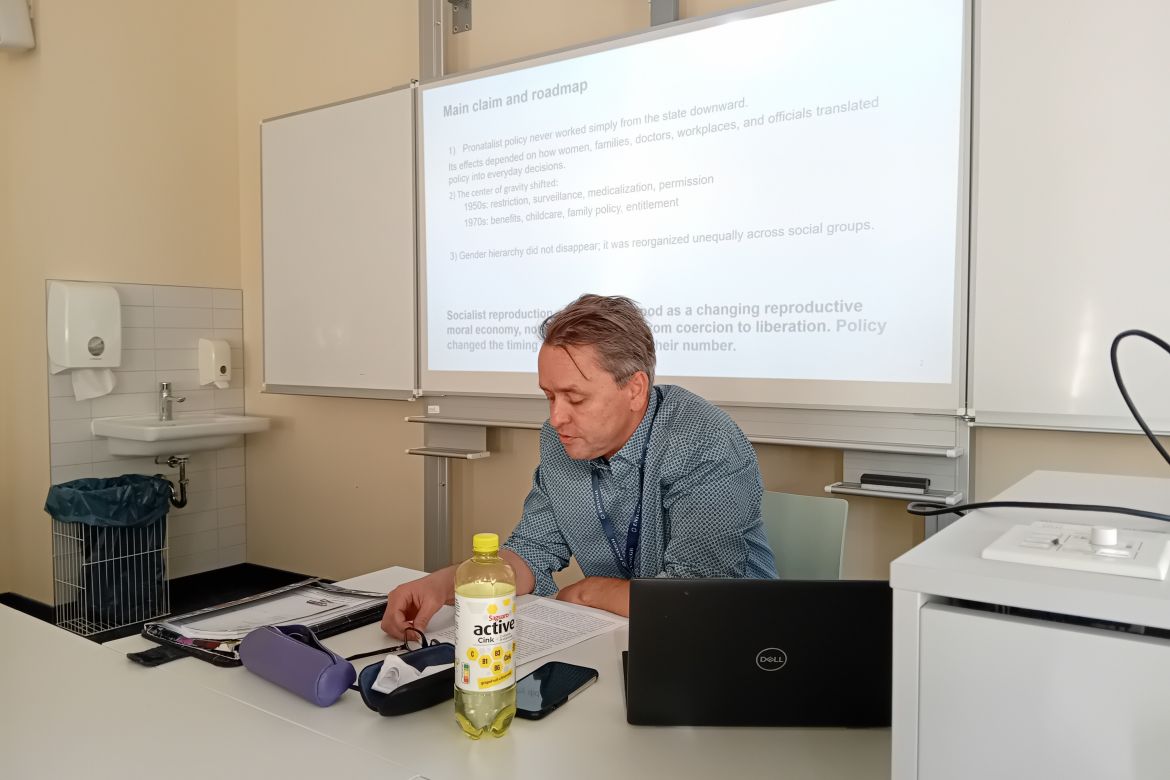
Sándor Horváth, Scientific Advisor at the Institute of History, ELTE Research Centre for the Humanities, spoke on Regulating Life: Abortion, Workers, and Reproductive Rights in State Socialist Hungary. From Abortion Committees to the GYES Generation. His paper traced changing forms of reproductive governance in state-socialist Hungary, from the regulation of abortion in the 1950s to the expansion of family-policy measures in the 1960s and 1970s. Rather than approaching these developments solely through legislation and official policy, the presentation focused on how reproductive policies were negotiated and translated into everyday practice by women, families, doctors, workplaces and state officials.
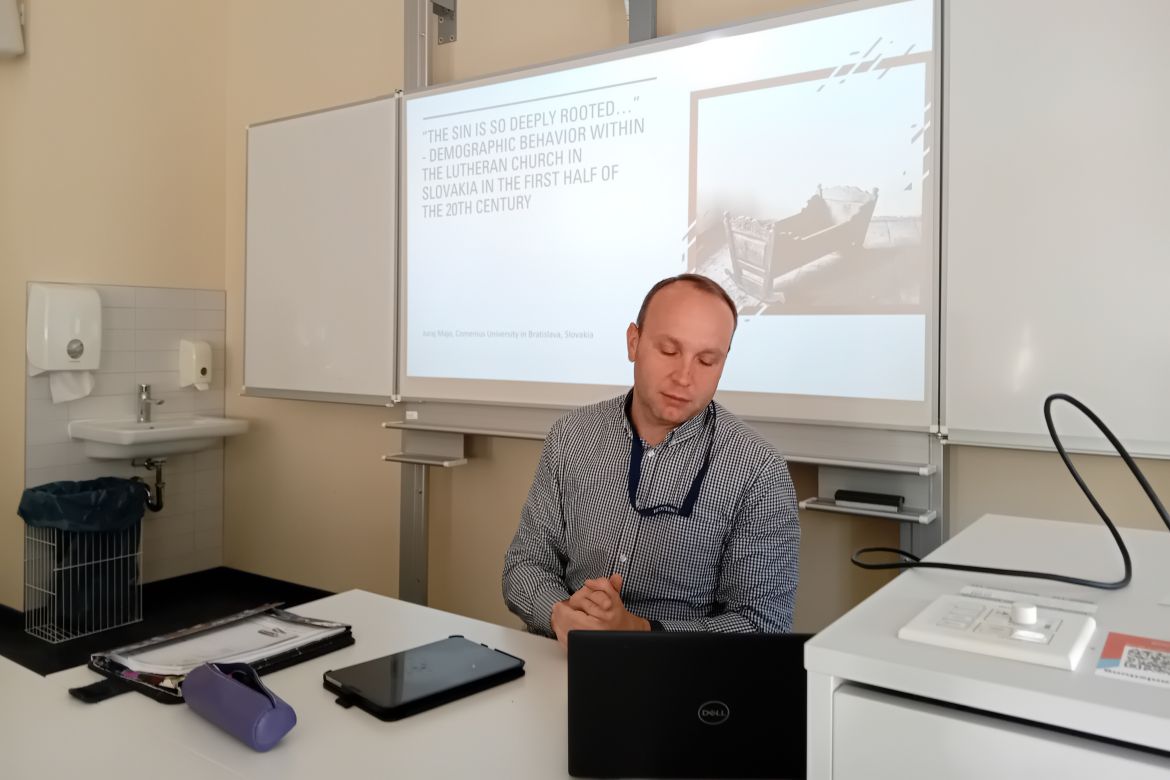
Juraj Majo of Comenius University in Bratislava presented “The Sin Is So Deeply Rooted…” – Demographic Behavior within the Lutheran Church in Slovakia in the First Half of the 20th Century. His contribution examined contemporary Lutheran responses to declining fertility and the spread of one- and few-child family patterns in Slovakia. Drawing on church debates and local case studies, the paper showed how reproductive behaviour came to be understood as an issue affecting not only individual families but also the demographic, economic and institutional future of entire religious communities.
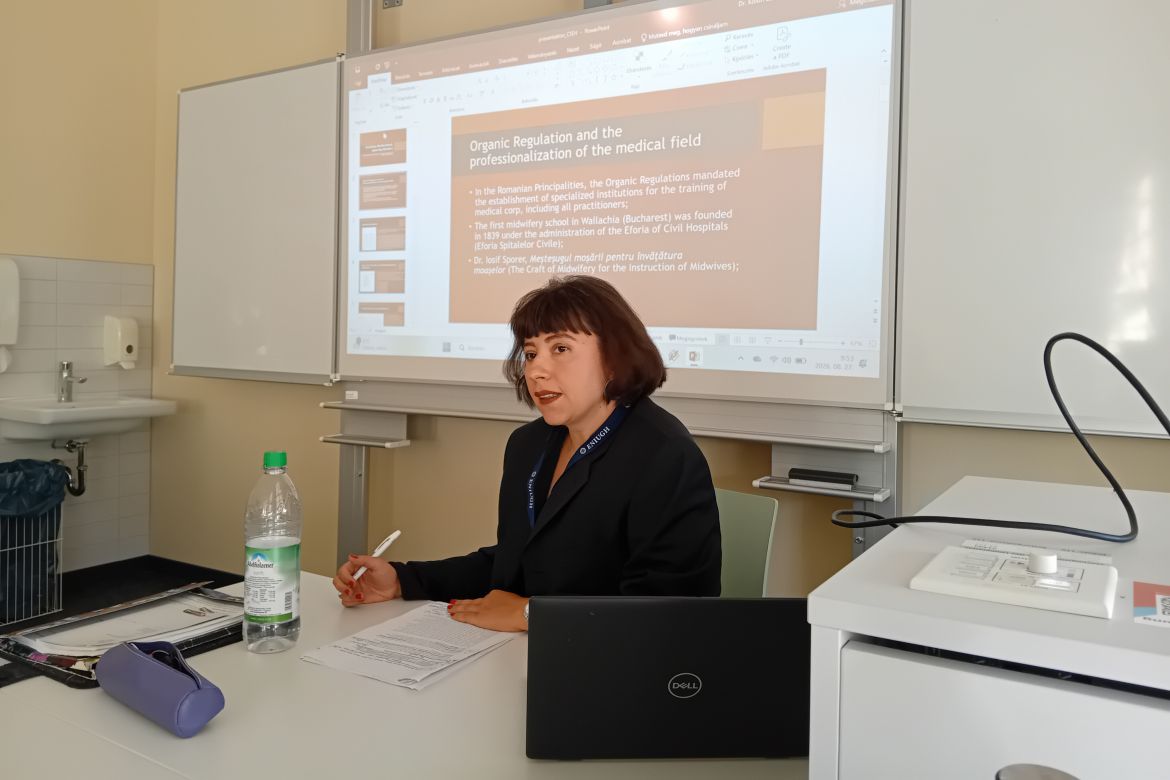
In Iconizing Motherhood, Ignoring Mothers: Romanian Forty-Eighter Women, Public Health, and the Limits of Maternal Medicalization, Gyöngyi-Ioana Moroșan turned to the nineteenth-century Romanian Principalities. Her paper explored the relationship between the nation-building ideal of motherhood, the professionalization of midwifery and the medicalization of childbirth. It drew particular attention to the contrast between the symbolic celebration of motherhood in political and cultural discourse and the changing position of women within an increasingly professionalized and male-dominated medical sphere.
Despite their different chronological and geographical settings, the four papers shared a common concern with the social embeddedness of reproduction. Together, they demonstrated the value of examining childbearing and family planning at the intersection of historical demography, social history, gender history and the history of medicine. The panel thus offered a broader perspective on reproductive change in East-Central Europe, highlighting the interaction between formal institutions and the everyday practices through which reproductive norms were negotiated, maintained and transformed.


