

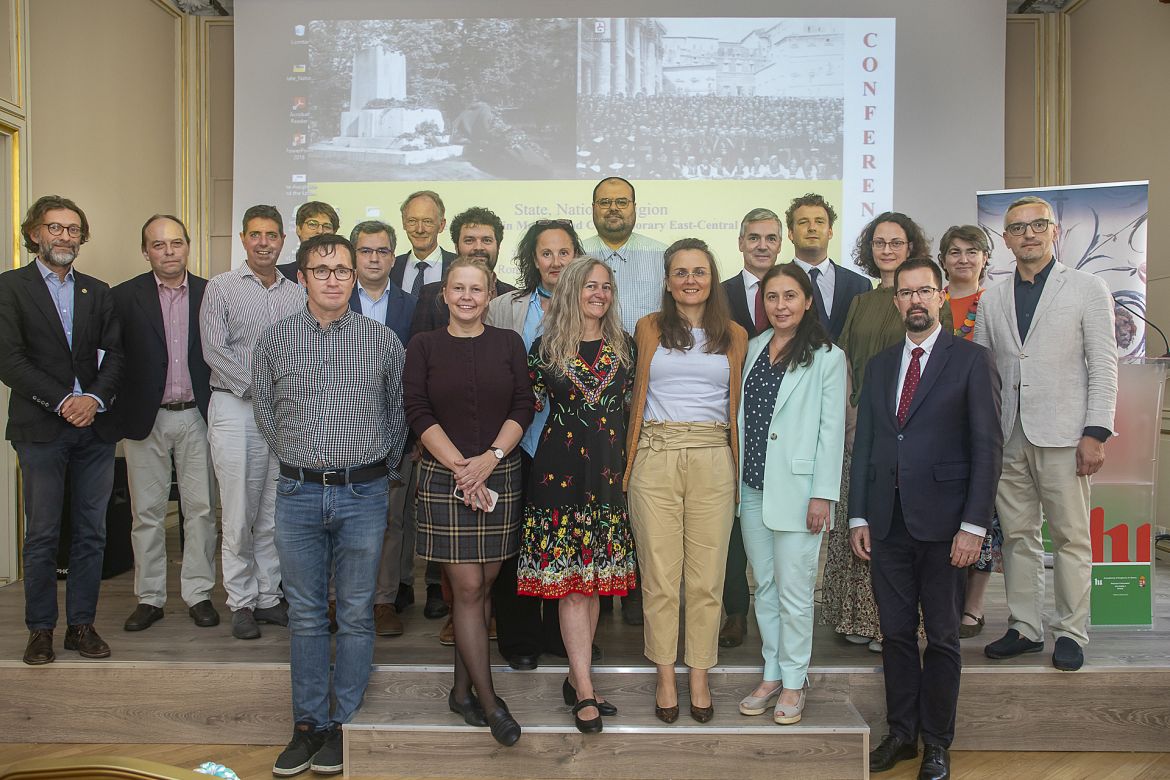
The ERC Sovereignty research group at the Institute of History, ELTE Research Centre for the Humanities, held an international conference at the Hungarian Academy in Rome on September 30–October 1, 2026, exploring conflicting loyalties to the Church, state, and nation in 19th- and 20th-century East-Central Europe.
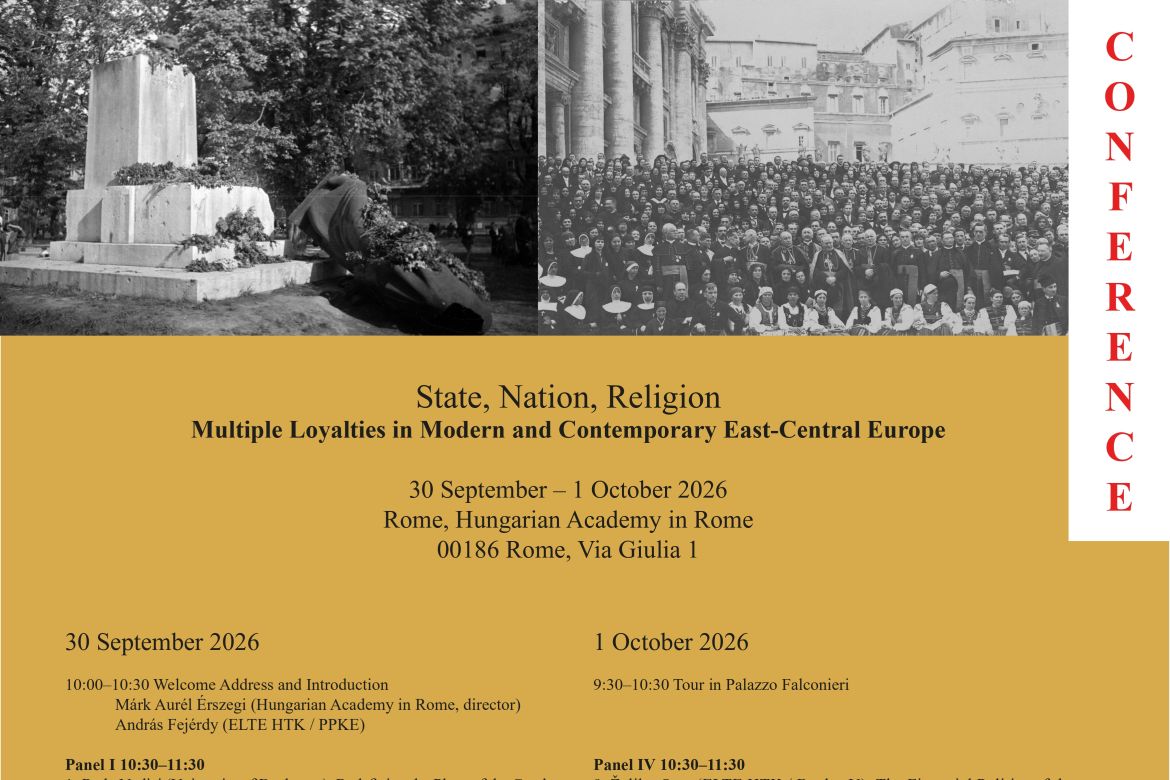
On September 30 and October 1, 2026, the “Sovereignty” ERC research group at ELTE RCH Institute of History will organize the conference State, Nation, Religion. Multiple Loyalties in Modern and Contemporary East-Central Europe at the Hungarian Academy in Rome.
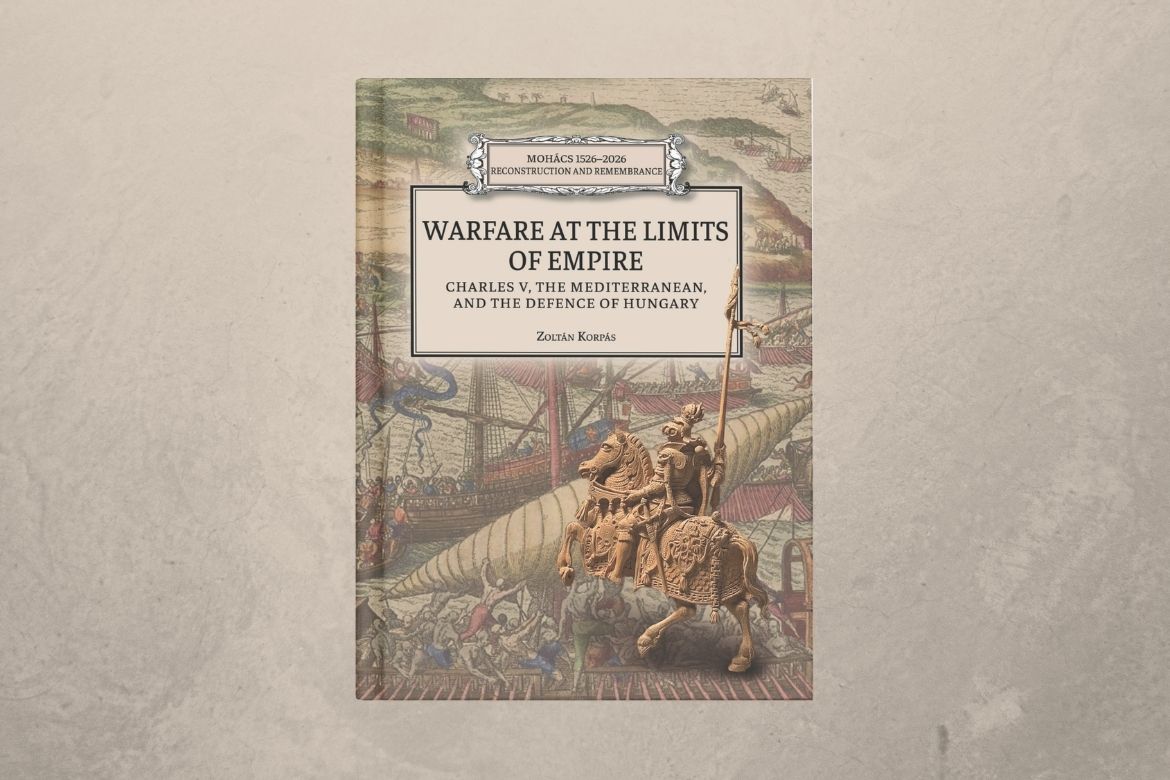
Zoltán Korpás’s Warfare at the Limits of Empire – Charles V, the Mediterranean and the Defence of Hungary has been published in the Mohács 1526–2026: Reconstruction and Remembrance series.
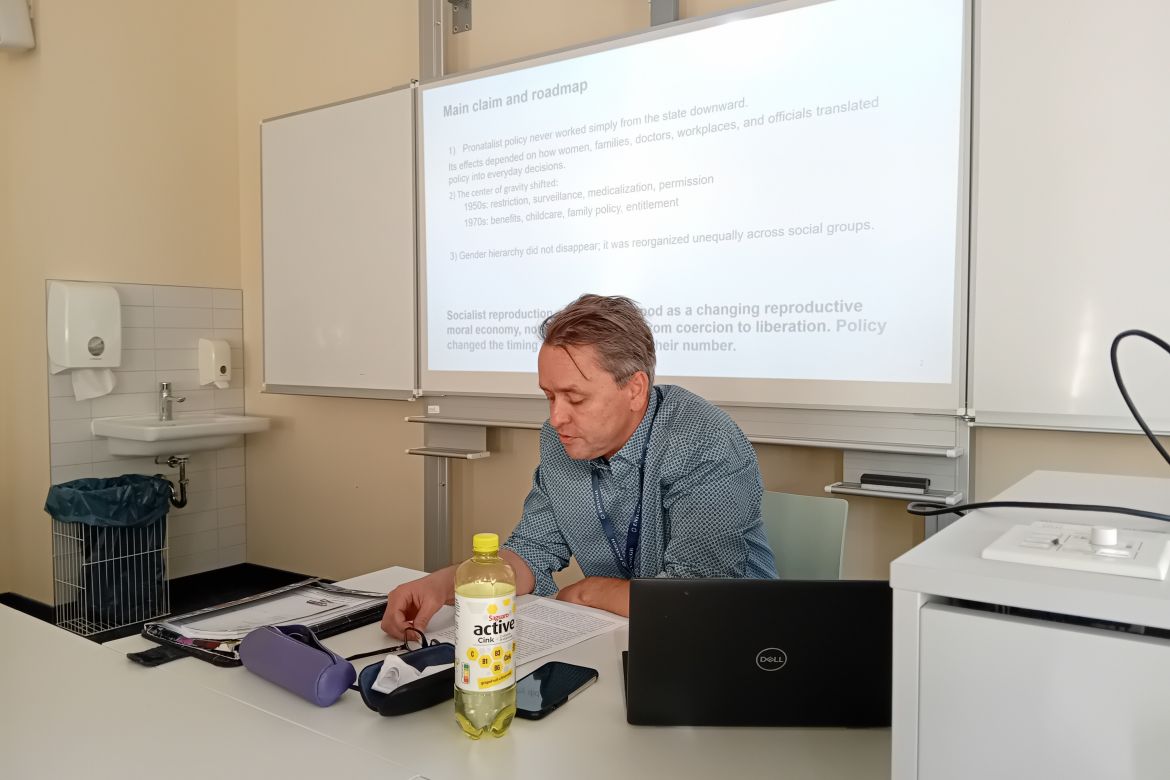
On 27 August 2026, the centenary World Congress of the Comité International des Sciences Historiques (CISH) in Leipzig hosted the panel “Childbearing: Fertility, Contraception, Everyday Life in East-Central Europe from the Late 19th to the mid-20th Century.”

Enikő Csukovits’s new monograph, published by Indiana University Press, explores the history of the Hungarian Angevins and the dynasty’s Central European and Italian connections.

Heléna Huhák’s new monograph, published by Indiana University Press, examines the operation of communist propaganda and the everyday practices of political agitation in Hungary between 1948 and 1953.

The new special issue of the Hungarian Historical Review, Knowledge Transfer and Cultural Mediators: Mobility, Networks, and Transnational Lives presents five fascinating studies on how ideas, people, and cultural practices move across borders.

The new book by Krisztián Csaplár-Degovics, senior research fellow at the Institute of History, has been published by CEU Press under the title Empire-Building and Nation-Building in Central Europe: Zoltán László (1881–1961) in the Turmoil of the 20th Century.
Page 1 of 8


