


The objective of the present volume is to provide a representative overview of the research undertaken by the Medieval Hungarian Economic History Research Group since its establishment in 2015.
The studies included in this volume, organised into four chapters, illuminate four distinct aspects of medieval economic history (coinage, royal revenues, urban development, trade), reflecting the multifaceted research interests of the members of our Research Group.
One of the primary objectives of the research group is to conduct a comprehensive investigation into the royal coinage. This volume encompasses an exploration of various facets of numismatics, including the coin circulation, renewal, exchange, technological reforms, and the iconography of coins. The subject of royal revenues is closely connected to the coinage. Our research group’s examination of royal revenues includes, alongside income deriving from the royal monopolies, the customs duty, the thirtieth, direct and indirect taxes, and other sources of revenues. The volume in question is not solely concerned with the revenues themselves; it also focuses on their administration.
The economic role, privileges, and possibilities of medieval Hungarian towns are also addressed in this volume. In addition to the identification and systematisation of privileges underlying the economic development of certain towns, the research group devotes significant attention to the role of towns and their citizens in both domestic and international trade, as well as the operation of foreign merchants in the Kingdom of Hungary.
We hope this volume gives an insight into the activities of the Medieval Hungarian Economic History Research Group, and our research will contribute to a better understanding of markets, mints, merchants, and the economic foundations of medieval Hungary.
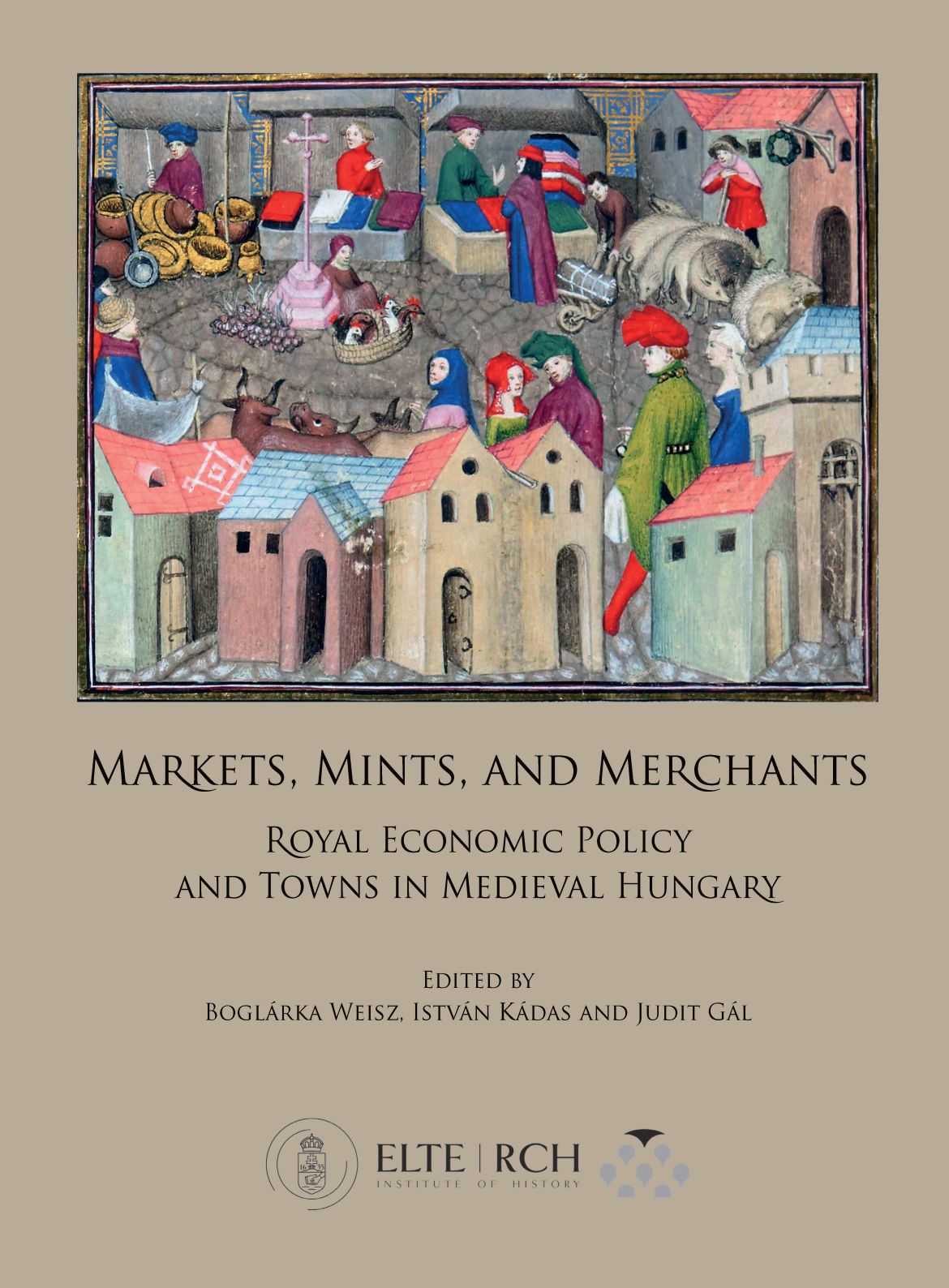
Markets, Mints, and Merchants – Royal Economic Policy and Towns in Medieval Hungary. Editors: Boglárka Weisz, István Kádas, Judit Gál.


